Cars are not perfect, and even the most reliable vehicle will need attention at some point. The good news is that your car often warns you before a small issue becomes a major repair. Dashboard warning lights are designed to do exactly that. They can alert you to anything from low tire pressure or an open door to more serious concerns like engine trouble, brake issues, or overheating. Still, many drivers are unsure what these symbols mean or how urgently they need to act. That is why this guide explains the most common dashboard warning lights in a clear and easy-to-understand way, so you know what your car is telling you, when it is safe to keep driving, and when it is time to book an inspection.
Quick Answer: What Do Dashboard Warning Lights Mean?
Dashboard warning lights are symbols on your instrument cluster that tell you when a system is active, needs service, or may have a fault. In general, red means stop as soon as it is safe, amber or yellow means inspect the issue soon, and green or blue usually means a system is on and working normally.
How Urgent are Dashboard Warning Lights?
Understanding car dash lights requires knowing how urgent each one is. Dashboard warning lights can generally be classified into three categories:
Red Warning Lights
Red lights usually point to a serious issue. These often involve oil pressure, brakes, battery charging or engine temperature. If a red light appears, pull over safely and assess the situation before continuing.
Amber or Yellow Warning Lights
Amber lights often mean the vehicle can still be driven for a short time, but the problem should not be ignored. These commonly include the check engine light, ABS light, tire pressure warning light, airbag light and traction control warning.
Green or Blue Lights
These are usually information lights. They often show that a feature is turned on, such as high beams, fog lights, cruise control or start-stop. They do not usually signal a fault by themselves.
What to Do First When a Dashboard Light Comes On
Before you panic, take these steps:
- Stay calm and check the colour of the light.
- Look for changes in how the vehicle feels. Strange noises, weak braking, loss of power, overheating, or heavy steering matter.
- Pull over safely if the light is red, flashing or paired with poor performance.
- Check the owner’s manual because symbols can vary slightly by make and model.
- Book an inspection if the light stays on, comes back or you are not sure what caused it. Manufacturer and publisher guides consistently note that symbol design and exact meaning can vary between vehicles.
Common Dashboard Warning Lights
Here’s a breakdown of the most common auto warning lights and what to do when they appear on your car dashboard.
1. Check Engine Light (Engine Warning Light)
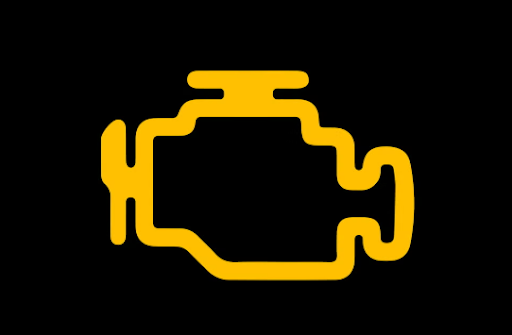
The check engine light is one of the most common and often confusing dashboard warnings. It usually appears as an engine-shaped icon or a “CHECK ENGINE” message. This light turns on when your vehicle detects a problem with the engine or emissions system.
The issue can range from something minor, like a loose gas cap or faulty sensor, to more serious problems such as engine misfires or internal damage. Because it covers a wide range of issues, you should not ignore it.
- Solid light: Safe to drive short-term, but get it checked soon.
- Flashing light: Serious issue (such as a misfire). Pull over and stop driving.
What to Do:
- Drive carefully if the light is solid and book a diagnostic check.
- If it flashes or the car feels rough, stop and get help immediately.
2. Battery Warning Light
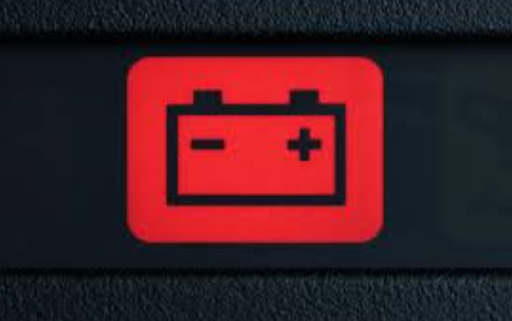
The battery usually looks like a small battery icon. It means there may be a problem with your vehicle’s charging system, not just the battery itself.
Even if the car starts and drives normally, the issue could involve the alternator, wiring, or electrical system, and the battery may stop charging properly.
- Light on while driving: The battery is not being charged.
- Light on at startup only: Usually normal if it turns off quickly.
What to Do:
- Turn off unnecessary electrical features (like AC or lights) to save power.
- Get the vehicle checked as soon as possible.
- If the car loses power or won’t restart, you may need a jumpstart or tow.
3. Coolant Temperature Warning Light
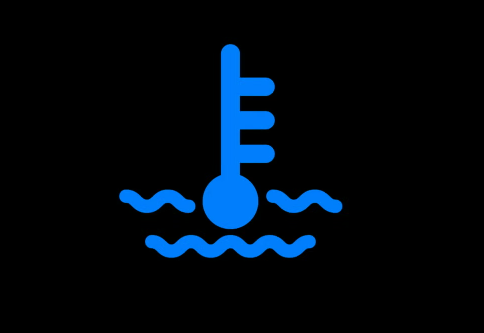
This light, often shown as a thermometer icon, means your engine is overheating. This can happen due to low coolant levels, leaks, or problems with parts like the radiator or water pump.
Overheating is serious and can cause major engine damage if you keep driving.
- Light on: Engine temperature is too high.
- Smoke or steam: Severe overheating - stop immediately.
What to Do:
- Pull over safely and turn off the engine.
- Let the engine cool down completely before checking anything.
- If you see smoke or the car overheats quickly, call for assistance.
4. Transmission Temperature Warning Light
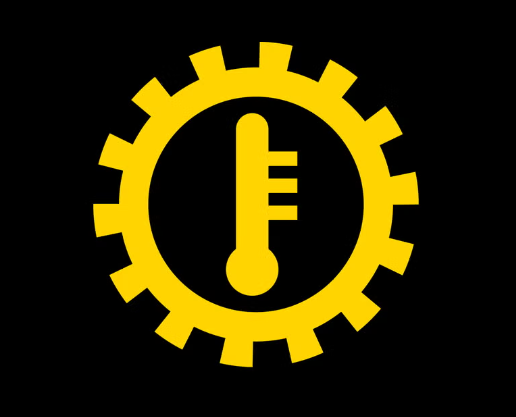
This light means your transmission is overheating. It can happen due to low transmission fluid, heavy driving (like towing) or internal wear.
Overheating can damage the transmission if ignored.
- Light on: Transmission temperature is too high.
What to Do:
- Pull over safely and let the vehicle cool down.
- Avoid driving until the temperature returns to normal.
- If the light comes back, have the transmission checked.
5. Oil Pressure Warning Light
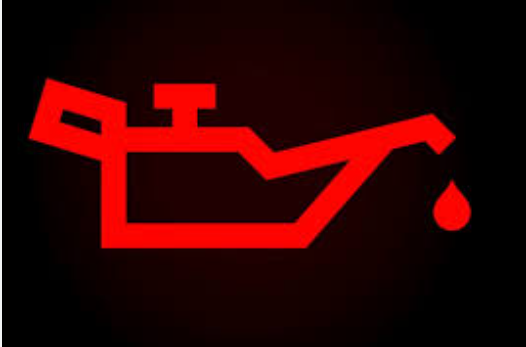
The oil pressure warning light, usually shown as an oil can icon, means your engine is not getting enough oil pressure to lubricate its internal parts properly.
This could be caused by low engine oil levels, an oil leak or issues with the oil pump or internal engine components. Without proper lubrication, the engine can overheat or even seize, leading to serious and costly damage.
- Light on: Low oil pressure, high risk to engine health.
What to Do:
- Pull over safely and turn off the engine immediately.
- Check the engine oil level once the engine has cooled.
- If the oil is low, top it up and see if the light turns off.
- If the light stays on or comes back, do not continue driving - get the vehicle inspected.
6. Tire Pressure Monitoring System (TPMS)
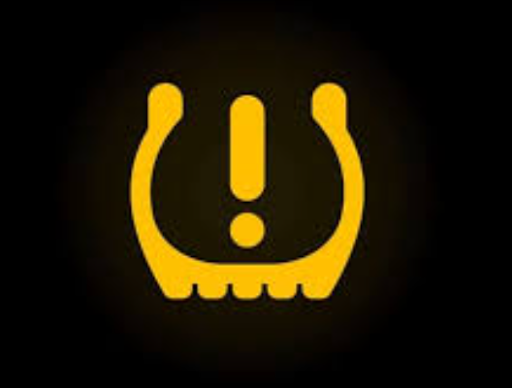
The tire pressure warning light, shown as an exclamation mark inside a curved tire shape, means one or more tires have incorrect air pressure.
This can be caused by low tire pressure, a slow leak, temperature changes, or a TPMS sensor issue. Cold weather, especially in Kitchener and Ontario winters, can lower tire pressure overnight and trigger this light.
- Light on: One or more tires need attention.
What to Do:
- Pull over safely and inspect all four tires.
- Check and adjust each tire to the recommended tire pressure (PSI) on the driver-side door sticker.
- If the light stays on after filling, there may be a leak or sensor issue - get it checked.
7. Brake System
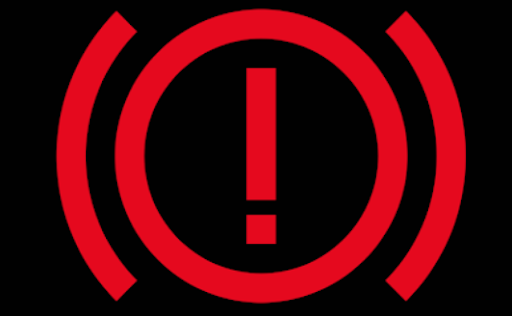
The brake warning light usually appears as a circle with an exclamation mark or the word “BRAKE.” It can mean the parking brake is still engaged or there is an issue with the braking system.
Common causes include low brake fluid, worn brake pads or problems with the ABS (anti-lock braking system). If both the brake light and ABS light come on together, it may indicate a more serious issue affecting your vehicle’s stopping power.
- Light on: Possible brake system issue or parking brake engaged.
What to Do:
- Make sure the parking brake is fully released.
- Check for warning signs like soft brakes or unusual noises.
- If the light stays on, get the brake system inspected immediately.
8. Traction Control & Stability Control Lights
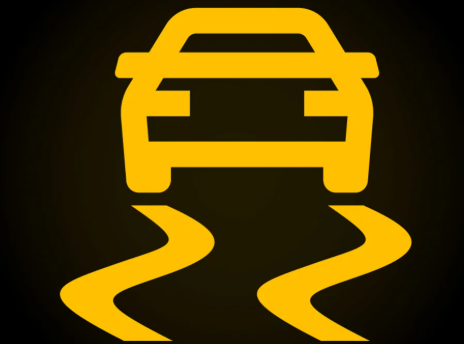
This light, often shown as a car with squiggly lines underneath, relates to your vehicle’s traction control and stability control systems, which help prevent slipping on wet, icy or uneven roads.
- Flashing light: The system is actively working to maintain traction; this is normal.
- Solid light: The system may be turned off or there could be a fault, often related to sensors like wheel speed sensors.
What to Do:
- If flashing, continue driving carefully; the system is doing its job.
- If the light stays on, make sure the system is not turned off manually.
- If it remains on, have the system checked to restore full stability and safety.
9. Airbag Warning Light
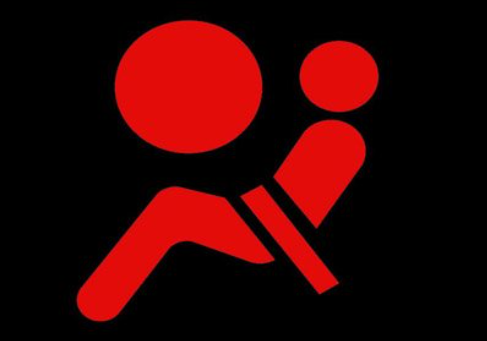
The airbag warning light usually appears when you start the car and should turn off quickly. If it stays on, it means there may be a problem with the airbag system or crash sensors.
This won’t affect how the car drives, but it can be dangerous because the airbags or seatbelt system may not work properly in an accident.
- Light stays on: Possible issue with airbag or safety system.
What to Do:
- Do not ignore the warning, even if the car feels normal.
- Book a service inspection to check the airbag and safety system.
10. Lamp Out Indicator
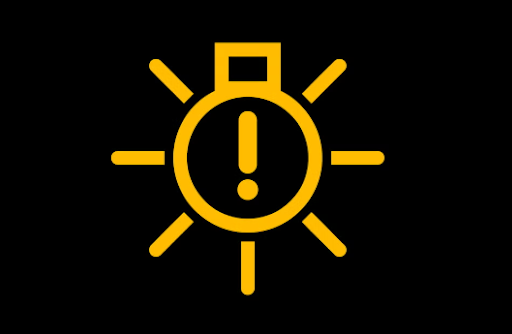
The lamp out warning light, often shown as a bulb or headlamp icon, means one of your vehicle’s exterior lights is not working.
This could be a burnt-out headlight, taillight, brake light, or signal bulb. While not a major mechanical issue, it can reduce visibility and may lead to safety risks or fines.
- Light on: One or more exterior bulbs need replacement.
What to Do:
- Check all exterior lights, including headlights, brake lights and indicators.
- Replace the faulty bulb as soon as possible.
- If all lights appear to work, have the system checked for a sensor issue.
11. Washer Fluid, Door Open, Low Fuel
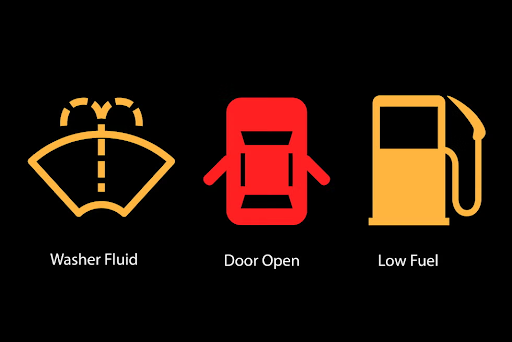
These are common and less serious dashboard warning lights, but they still need attention.
- Washer Fluid Light: Indicates low windshield washer fluid.
- Door Open Light: One or more doors, trunk, or hood may not be fully closed.
- Low Fuel Light: Fuel level is low - time to refuel soon.
What to Do:
- Refill the washer fluid to maintain clear visibility.
- Ensure all doors and trunk are fully closed.
- Refuel your vehicle as soon as possible to avoid running out of gas.
12. Headlights
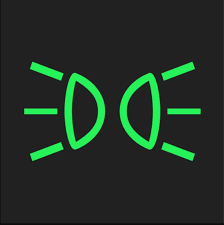
The headlight indicator shows whether your vehicle’s headlights or high beams are turned on. It usually appears as a headlamp symbol on your dashboard.
- Green light: Headlights are on.
- Blue light: High beams are on.
What to Do:
- Make sure your headlights are on in low-light conditions.
- Switch off high beams when driving near other vehicles to avoid glare.
Understanding your car's warning lights is part of keeping your vehicle in good working order. If you're looking for a vehicle that's both reliable and spacious, check out our guide to the best hatchback cars, which offer excellent maintenance and fuel efficiency.
Seeing a Dashboard Warning Light in Kitchener?
If you're seeing warning lights on your dashboard, don't wait! Book a free inspection at B Town Autos Tricity today and keep your car running smoothly.
Book an Inspection Today
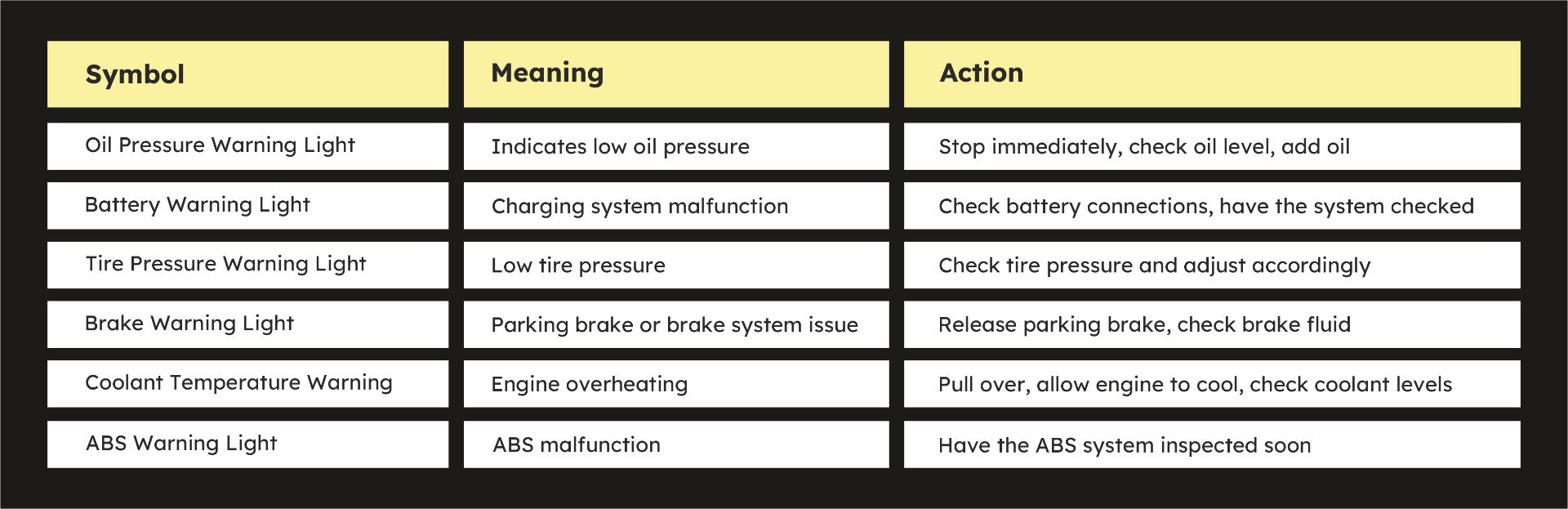
Glossary of Common Dashboard Symbols
Here’s a quick reference guide for understanding car symbols and meanings on dashboard:
How to Prevent Dashboard Warning Lights from Appearing
While many auto warning lights are unavoidable, regular maintenance can minimize their occurrence.
Here are some tips to keep your vehicle in optimal condition:
- Regular Maintenance: Perform routine checks like oil changes, tire inspections and fluid levels to keep everything running smoothly.
- Monitor Driving Habits: Avoid sudden accelerations, sharp braking and overloading the vehicle to reduce stress on the engine and brakes.
- Use Recommended Fluids: Always use the right type of oil, coolant and other fluids as recommended by your car’s manufacturer.
If you’re in the market for a used car, having a comprehensive inspection is essential. Check out our Used Car Inspection Checklist for Kitchener to ensure your next car is in top condition and ready to go.
Book a Dashboard Inspection in Kitchener
If you are seeing a dashboard warning light and are not sure what it means, B Town Auto Tricity in Kitchener offers service booking through its website. The dealership lists service appointments and local contact details online, making it easier for Kitchener drivers to get help quickly.
Seeing a dashboard warning light in Kitchener? Book a diagnostic inspection with B Town Auto Tricity before a small issue turns into a bigger repair.
B Town Auto Tricity’s website offers certified pre-owned cars, service booking, trade-in appraisal, financing, and a wide range of used inventory.
Conclusion: Stay Informed and Proactive with Your Car’s Dashboard Lights
Now that you’re familiar with the car dashboard symbols and meanings, you’ll be able to respond quickly when warning lights appear. Paying attention to these symbols is critical to keeping your car running efficiently and avoiding costly repairs. If a warning light ever seems unclear or if you’re unsure about how to handle a warning, always consult your vehicle’s manual or visit a professional mechanic.
For more tips on maintaining your car or if you need assistance with any dashboard warning lights, B Town Autos Tricity is here to help. Book a service appointment today and keep your car in peak condition!
Get Expert Help with Your Dashboard Warning Lights
Unsure about what a warning light means? Our expert mechanics are here to help. Contact B Town Autos Tricity for fast and reliable service.
Contact Us Now
FAQ: Dashboard Warning Lights Explained
What Does This Light on my Dashboard Mean?
Each dashboard light or symbol on your car provides important information. If you're unsure about what a particular light means, refer to your vehicle’s manual or reach out to B Town Autos Tricity for expert assistance.
What Do 18 Symbols on Your Car Dashboard Mean?
Dashboard symbols represent various functions and issues in your car. Common ones include engine alerts, tire pressure warnings and oil changes. If you ever see a symbol you don’t understand, stop by B Town Autos Tricity for a quick check.
What are The Most Common Dashboard Warning Lights?
The most common warning lights include the check engine light, oil pressure, tire pressure, battery and brake system. If any of these appear, it’s a good idea to visit a trusted car dealership like B Town Autos Tricity for a check-up or trade-in evaluation.
What is the Most Serious Warning Light on a Car?
The red engine warning light is typically the most serious, indicating a potential issue that could cause significant engine damage. If this light comes on, stop by B Town Autos Tricity immediately to avoid further damage and discuss trade-in options if necessary.
What are 5 Lights That Might Light Up on Your Dashboard to Tell You Something Needs Attention or Repair in Your Car?
Five lights that often signal a need for attention include the check engine light, oil pressure light, brake system warning, battery warning and tire pressure light. If any of these appear, don’t hesitate to visit B Town Autos Tricity for a reliable inspection and even inquire about your car’s trade-in value.